History
Over the Years
Milliken's Textile History
The 2010s - Present
2024: Milliken Assure™ Enters the Market
Milliken introduces Assure—the fire service industry's first non-halogenated, non-PFAS flame-resistant moisture barrier for firefighter turnout gear.
2022: Commitment to Eliminating PFAS from Textile Finishes and Fibers
In February 2022, Milliken & Company announces its commitment to eliminate all per- and polyfluoroalkyl substances, commonly referred to as PFAS, from the company’s entire textile finishes and fibers portfolio by December 31, 2022.
2020: Advancements in Sports Uniforms
Varsity® Spirit Fashion cheer uniforms include Visa® technology, ensuring superior color retention and vibrancy as well as color block technology so that every color in the uniform stays separate. For cheerleaders, this technology helps to make sure that the legacy from freshman to senior team uniforms holds true from season to season.
2019: Milliken & Company Acquires Polartec
2015: Milliken Celebrates 150 Years
Milliken & Company celebrates a century and a half of innovation. For Milliken’s Textile Business, this means not only surviving, but thriving through the many challenges the industry has faced.
2014: Milliken & Company Acquires Westex
The 2000s-2007
2007: Improved Flame Resistance for U.S. Soldiers
Due to increased improvised explosive device (IED) threats, the U.S. Military begins looking for an improved flame-resistant uniform. Milliken engineers Abrams® fabric to provide American soldiers additional protection for improved survivability.
2006: Automotive Safety Enhancements
Tegris® composite is introduced as an integral component of the “Car of Tomorrow” by NASCAR with the goal of improving safety and performance. Tegris thermoplastic composite fabric proved lightweight but stiff enough to hold a racecar steady on a track at high speeds.
In the same year, Milliken launches its first sustainable water-based airbag chemistry for rollover protection in GM trucks.
2000: More Advancements in Space Technology
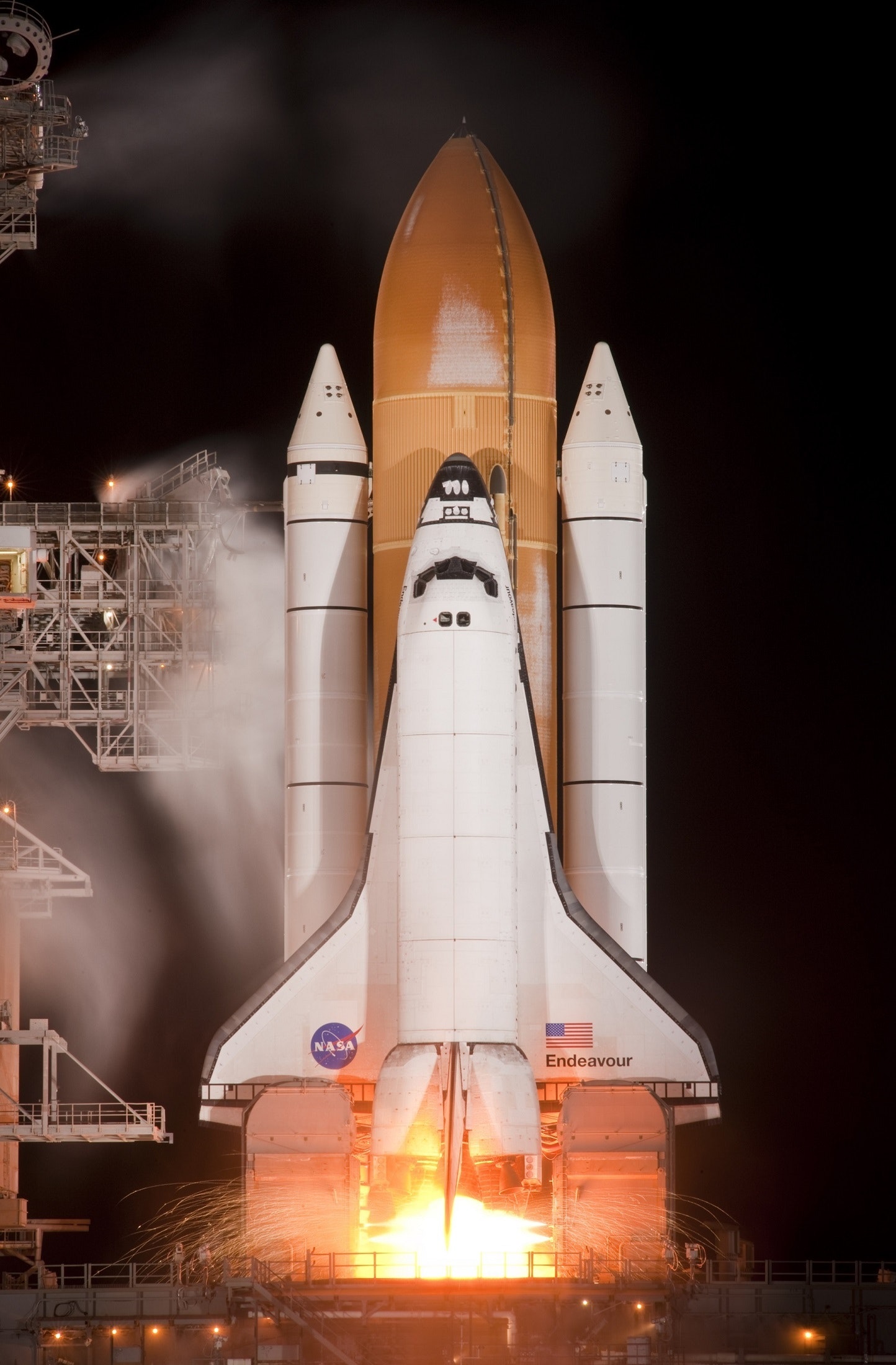
Milliken provides a flexible, lightweight, radar absorbing material made from a poly(pyrrole)-coated textile for a radar topography mission on the space shuttle Endeavor to prevent bounce-back signals from the antenna mast. This patented innovation resulted in exceptionally clear topographic mapping of the Earth.